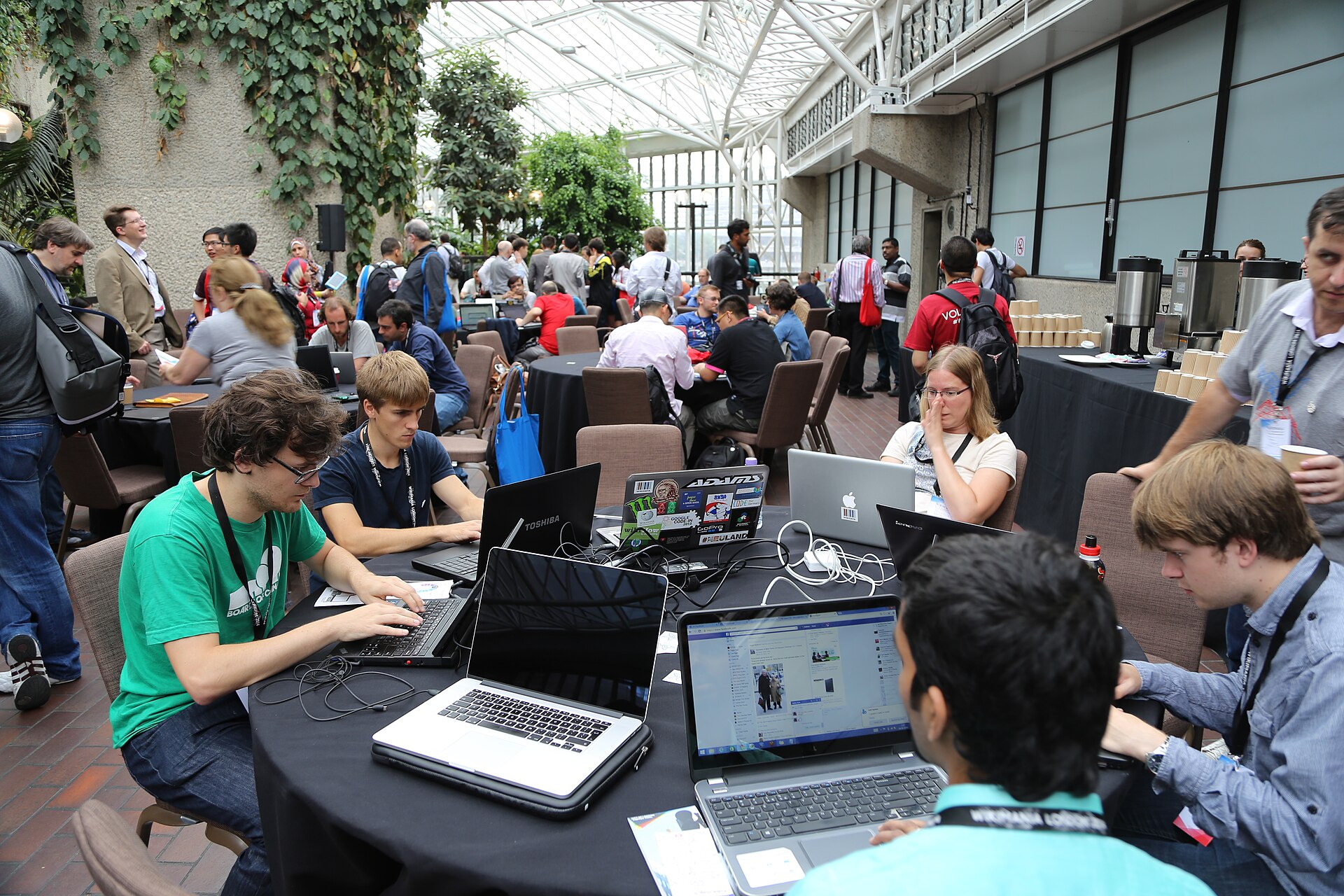
If you are a student, developer, designer, researcher, or someone curious about technology, you may have heard the word hackathon many times. At first, the word can sound intimidating. Many beginners imagine a room full of expert programmers writing code all night, solving impossible problems, and building perfect products in one weekend.
But a hackathon is not only for expert coders. A hackathon is a focused event where people work together to solve a problem, build an idea, create a prototype, and present a solution within a limited time. It is part competition, part learning experience, and part teamwork challenge.
I am Fuad Hasan, a Software Engineering student and undergraduate machine learning researcher. I have participated in multiple hackathons and innovation competitions, including the NASA Space Apps Challenge with Team EcoRangers. Some experiences were stressful. Some were disappointing. Some became unforgettable achievements. Through all of them, I learned that a hackathon is not just about winning. It is about learning how to think, collaborate, adapt, and keep moving under pressure.
In this article, I will explain what a hackathon is, how hackathons work, who can join, what skills are useful, what happens during a hackathon, and how beginners can prepare for their first one.
What Is a Hackathon?
A hackathon is an event where individuals or teams work together to solve a problem within a short period of time. Most hackathons last 24 hours, 48 hours, a weekend, or a few days. During that time, participants usually build a prototype, software application, website, mobile app, data analysis project, AI solution, design concept, research-based idea, or technical presentation.
The word hackathon comes from two words. Hack means creative problem-solving. It does not mean illegal hacking. Marathon means a long and focused effort. So, a hackathon is a focused problem-solving event where people use creativity, technology, teamwork, and communication to build something useful within a deadline.
In simple words, a hackathon is a short innovation challenge where teams turn ideas into practical solutions.
Is a Hackathon Only for Programmers?
No. A hackathon is not only for programmers. This is one of the biggest misunderstandings beginners have.
A strong hackathon team often needs different types of people. Developers build the technical solution. Designers create the user interface, visuals, prototype, and presentation flow. Researchers understand the problem, users, datasets, and evidence. Writers explain the idea clearly. Presenters communicate the solution to judges. Team leaders organize tasks and keep everyone focused.
In my experience, a team becomes stronger when members have different strengths. Coding matters, but communication, research, storytelling, design, and time management also matter. A technically strong project can fail if the team cannot explain it. A simple project can stand out if the problem is clear, the solution is practical, and the presentation is strong.
How Does a Hackathon Work?
Most hackathons follow a simple structure. First, the organizers announce a theme, challenge statement, or problem area. The topic may involve healthcare, climate change, space data, education, agriculture, AI, cybersecurity, disaster response, social impact, or sustainability.
Then participants form teams. Some people join with friends, while others find teammates during the event. After that, teams choose a problem and start building a solution. They divide responsibilities, research the issue, prepare a prototype, create slides, test the idea, record a demo video, or prepare a final pitch.
Finally, judges evaluate the submissions. Judging criteria usually include problem understanding, innovation, usefulness, technical implementation, design, feasibility, impact, and presentation quality.
Some hackathons select local winners. Some select national winners. Some have global nominees, finalists, or champions. The structure depends on the event.
What Happens During a Hackathon?
A hackathon can feel intense, especially for beginners. There is limited time, many tasks, and constant pressure. But that pressure is also what makes the experience exciting.
During a hackathon, you may brainstorm ideas, search for datasets, build a prototype, change your concept several times, face technical errors, prepare a pitch deck, record a demo video, practice your presentation, ask mentors for feedback, and submit near the deadline.
In real life, hackathons are rarely perfect. Your first idea may not work. Your team may disagree. Your prototype may break. Your video may need many retakes. But every problem teaches something. That is why hackathons are powerful learning experiences.
Why Are Hackathons Important for Students?
Hackathons are valuable for students because they teach skills that normal classroom assignments often cannot teach. In a class assignment, the instructions are usually clear. In a hackathon, the problem is open-ended. You have to think, decide, build, and explain.
Hackathons help students develop practical problem-solving, teamwork, leadership, time management, communication, technical confidence, research ability, presentation skill, and creativity under pressure.
For students in Software Engineering, Computer Science, Data Science, AI, design, business, and related fields, hackathons can become a strong part of a portfolio. A hackathon project can show that you can apply knowledge to real problems, not just complete academic tasks.
For me, hackathons taught me that technical skill alone is not enough. You need discipline, storytelling, feedback, and the ability to continue when the situation becomes difficult.
My Real Hackathon Experience
My own hackathon journey was not always smooth. Before one of my most meaningful competitions, I tried to join a team but was rejected. I was told that the work I could do could be done by anyone. That moment hurt deeply. I questioned my ability and wondered whether I was really good enough.
But instead of stopping, I decided to form my own team. That decision changed everything.
With Team EcoRangers in the NASA Space Apps Challenge, I learned how difficult and beautiful a hackathon can be. We faced pressure, uncertainty, team formation problems, project improvement challenges, mentorship challenges, and even video recording difficulties. At one point, we felt demotivated after not getting the result we expected. But we asked for feedback, improved the project, and kept working.
The biggest lesson I learned is this: a hackathon is not won only by the most talented team. It is often won by the team that learns fastest, adapts quickly, communicates clearly, and refuses to give up.
What Are the Benefits of Joining a Hackathon?
A hackathon can benefit you in many ways. It improves practical skills because you learn how to build something under pressure. It improves teamwork because you learn how to work with people who think differently. It improves communication because you must explain your solution clearly.
A hackathon can also strengthen your CV, LinkedIn profile, GitHub portfolio, personal website, research profile, and academic story. Even if you do not win, you gain experience that can help in future projects, competitions, interviews, internships, research work, and collaborations.
Many people join hackathons for prizes. Prizes are exciting, but the real prize is often the experience, confidence, network, and growth you gain from the process.
Who Can Join a Hackathon?
Most hackathons are open to different types of participants. Depending on the event, participants may include university students, school students, programmers, designers, researchers, entrepreneurs, data analysts, writers, science enthusiasts, beginners, and professionals.
Some hackathons are beginner-friendly, while others are more advanced. If you are new, do not wait until you feel fully ready. You become ready by participating.
Before joining, check the event rules, team size, eligibility, theme, submission format, deadline, and judging criteria.
What Skills Do You Need for a Hackathon?
You do not need to know everything before joining a hackathon. But some skills are helpful.
· Technical skills: programming, web development, mobile app development, machine learning, data analysis, API usage, database management, and UI/UX design.
· Research skills: understanding the problem, finding reliable sources, analyzing users, and connecting the solution with real-world impact.
· Communication skills: writing, pitching, slide design, storytelling, and answering judge questions.
· Team skills: coordination, time management, task division, feedback handling, and leadership.
If you are a beginner, choose one role and contribute honestly. You can research the problem, design the slides, prepare the script, test the product, write the documentation, or explain the impact. A team needs more than code.
How to Prepare for Your First Hackathon
If you are preparing for your first hackathon, start with the basics. Read the theme and challenge statements carefully. Build a balanced team. Do not only look for the most skilled people. Look for people who are dedicated and available.
Choose a problem you understand. A small clear idea is better than a big confusing idea. Divide tasks early so everyone knows their responsibility. Build a simple prototype first instead of waiting for perfection. Prepare your presentation from the beginning because many teams build something good but fail to explain it well.
Take mentor feedback seriously. Feedback can completely change the quality of a project. Also, submit before the deadline whenever possible. Last-minute technical issues are very common in hackathons.
Common Mistakes Beginners Make in Hackathons
Many beginners make similar mistakes. They choose an idea that is too large, spend too much time discussing and too little time building, ignore the judging criteria, or try to add too many features.
Another common mistake is weak storytelling. A team may build a useful solution, but if judges cannot understand the problem, target users, impact, and workflow, the project may not stand out.
A hackathon is not about building the biggest project. It is about solving a problem clearly within limited time.
What Makes a Hackathon Project Strong?
A strong hackathon project usually has five qualities: it solves a real problem, has a clear target user, shows a working prototype or strong concept, explains the impact, and is presented clearly.
Judges need to understand three questions quickly. What problem are you solving? How does your solution work? Why does it matter? If your team can answer these questions clearly, your project becomes much stronger.
Hackathon vs Competition: What Is the Difference?
A normal competition may focus mainly on the final result. A hackathon focuses on the process of building a solution within a limited time. Teams usually begin with an idea, develop it quickly, test it, improve it, and present it.
A hackathon is not just about winning. It is about building, learning, testing, communicating, and improving.
Are Hackathons Worth It?
Yes, hackathons are worth it, especially for students and early-career learners. Even if you do not win, you gain experience that can help in future competitions, research, projects, interviews, and teamwork.
From my own journey, hackathons taught me resilience. They taught me how to take rejection, seek feedback, lead a team, and continue working when the result is uncertain. Winning is beautiful, but growth is the real outcome.
Final Thoughts
So, what is a hackathon? A hackathon is a short, intense, creative event where people work together to solve real-world problems. It can involve coding, design, research, data, storytelling, and presentation. It is a place where beginners can learn, teams can grow, and ideas can become real.
If you are thinking about joining your first hackathon, my advice is simple: start. Do not wait until you become perfect. Do not think you need to know everything. Find a team, choose a problem, work honestly, ask for feedback, and keep improving.
My own hackathon journey taught me that rejection can become motivation, pressure can create growth, and teamwork can turn uncertainty into achievement.
I am Fuad Hasan, a Software Engineering student and undergraduate machine learning researcher, and hackathons have been one of the most important parts of my learning journey. They helped me become more confident, more practical, and more willing to chase difficult goals.
Your first hackathon may feel confusing. But it may also become the experience that changes how you see yourself.
FAQ
What is a hackathon in simple words?
A hackathon is an event where people work in teams to solve a problem and build a project within a short time, usually 24 to 48 hours.
Do I need coding skills to join a hackathon?
No. Coding helps, but hackathons also need designers, researchers, writers, presenters, and team leaders.
Can beginners join hackathons?
Yes. Many hackathons are beginner-friendly. Beginners can learn a lot by participating.
What do you do in a hackathon?
You choose a problem, form a team, build a solution, prepare a presentation, and submit or pitch your project.
Are hackathons good for students?
Yes. Hackathons help students build practical skills, teamwork, confidence, and portfolio projects.
How long does a hackathon last?
Most hackathons last 24 hours, 48 hours, or a weekend, but some may run longer.
What makes a hackathon project successful?
A successful hackathon project solves a clear problem, has a practical solution, shows impact, and is presented well.